Follow Us
TZ: +255 755 195 716
TZ: +255 754 958 252


Lemosho Route – 8 Days
Remote, scenic, and well-paced — Kilimanjaro’s most refined route for acclimatization and summit success.
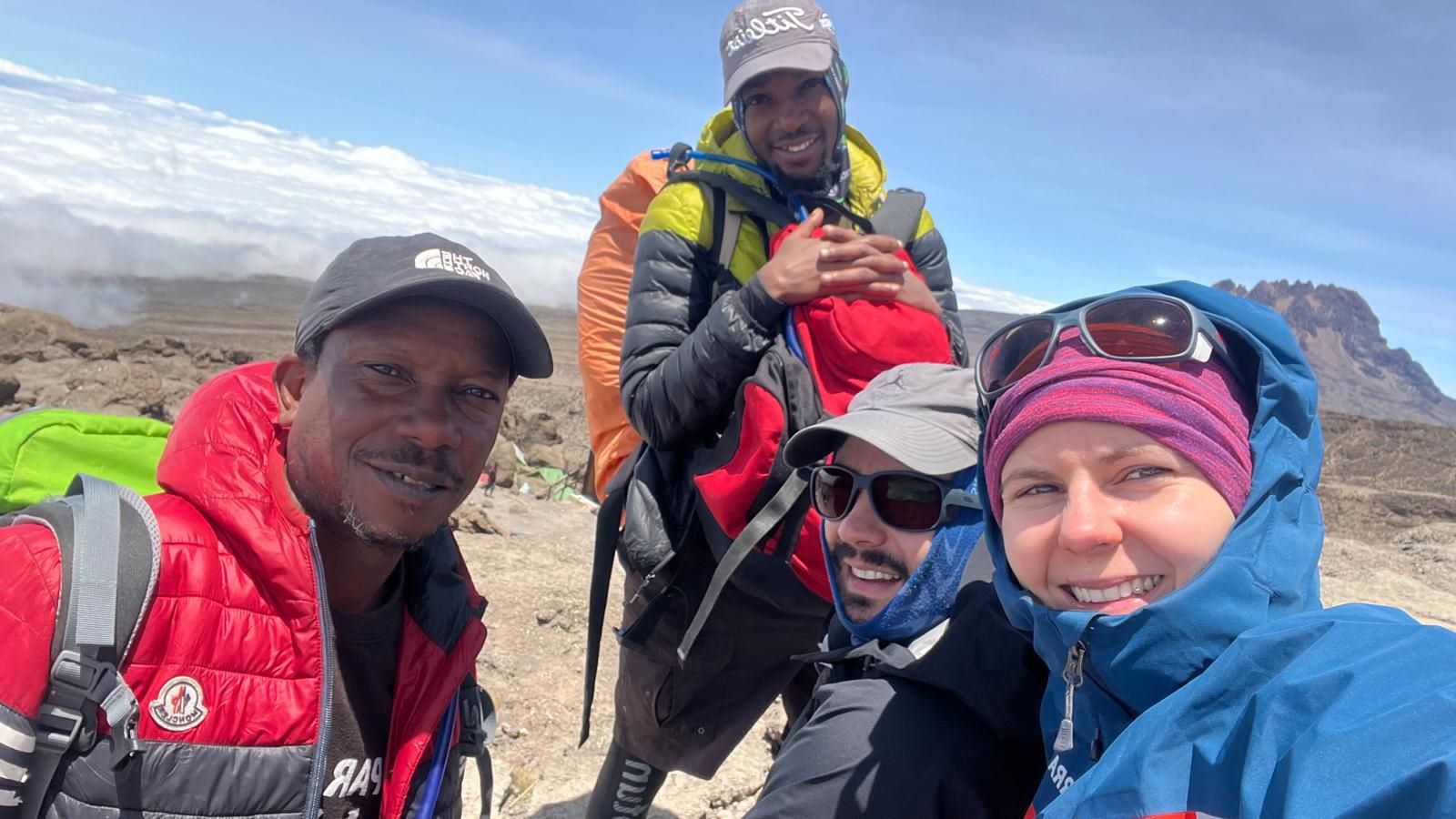
Trek Highlights
- One of the most scenic and least crowded Kilimanjaro routes
- Excellent acclimatization profile for higher summit success
- Begins on the remote western slopes of Kilimanjaro
- Landscapes include rainforest, Shira Plateau, Lava Tower, Barranco Wall & glaciers
- Professional mountain crew, high-quality equipment & safety-first operations
- Includes Pre-Climb + Post-Climb lodge nights
- Longer approach allows better adjustment and comfort
Detailed Itinerary
Pre-Climb Day — Airport Pick-up — Lodge | Hotel
Arrive at Kilimanjaro International Airport, where a Parakuyo Tours & Safaris representative welcomes you and transfers you to your lodge in Arusha.
Your head guide conducts a full climb briefing, checks your gear, and answers all questions.
Dinner and overnight at the lodge.
Day 1: Lemosho Gate (2,100 m | 6,890 ft) — Mti Mkubwa Camp (2,820 m | 9,250 ft)
- Hiking Time: 5–6 hours
- Distance: 7 km | 4 miles
- Habitat: Rainforest
Begin at Lemosho Gate with registration, then drive to the trailhead.
Hike through dense rainforest rich with birdlife and monkeys.
Arrive at Mti Mkubwa (“Big Tree”) Camp for dinner and overnight.
Day 2: Mti Mkubwa (2,820 m | 9,250 ft) — Shira 1 Camp (3,505 m | 11,500 ft)
- Hiking Time: 5–6 hours
- Distance: 8 km | 5 miles
- Habitat: Moorland
The forest thins as you climb into open moorland.
Enjoy wide views as you approach the Shira Plateau.
Arrive at Shira 1 Camp for overnight.
Day 3: Shira 1 Camp (3,505 m | 11,500 ft) — Shira 2 Camp (3,850 m | 12,630 ft)
- Hiking Time: 3–4 hours
- Distance: 7 km | 4 miles
- Habitat: Moorland / High Plateau
A gentle acclimatization day across the Shira Plateau — one of Kilimanjaro’s most expansive landscapes.
Optional short hikes can be done to improve acclimatization.
Overnight at Shira 2 Camp.
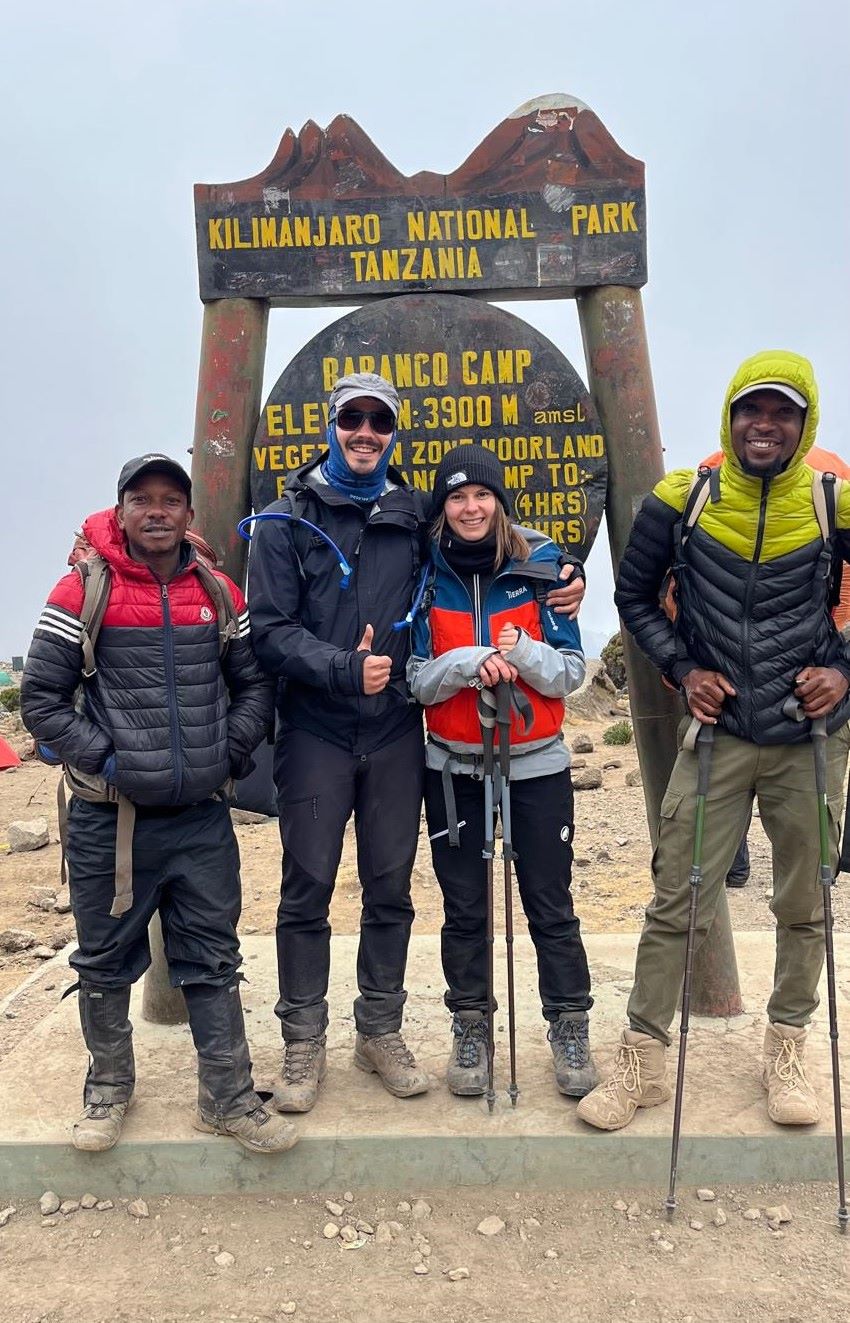
Day 4: Shira 2 Camp (3,850 m | 12,630 ft) — Lava Tower (4,630 m | 15,190 ft) — Barranco Camp (3,960 m | 12,992 ft)
- Hiking Time: 6–7 hours
- Distance: 10 km | 6 miles
- Habitat: Alpine Desert
A key acclimatization day.
Climb to Lava Tower for lunch, reaching high altitude before descending to Barranco Camp.
The Barranco Valley offers dramatic views of glaciers and cliffs.
Dinner and overnight.
Day 5: Barranco Camp (3,960 m | 12,992 ft) — Karanga Camp (3,995 m | 13,106 ft)
- Hiking Time: 4–5 hours
- Distance: 6 km | 4 miles
- Habitat: Alpine Desert
Climb the Barranco Wall — a highlight of the route with panoramic views.
Traverse ridges and valleys to Karanga Camp.
Important acclimatization stop before summit push.
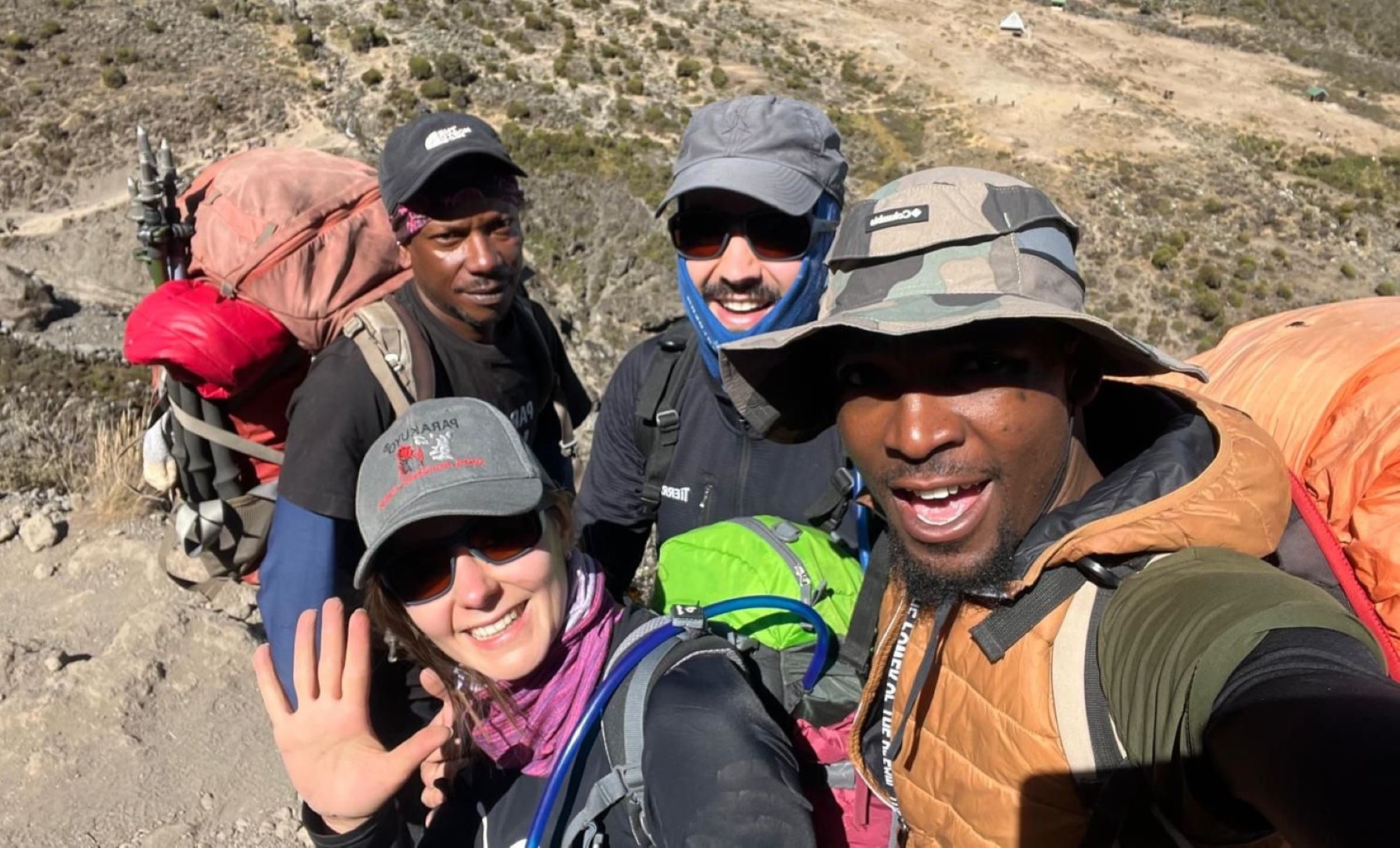
Day 6: Karanga Camp (3,995 m | 13,106 ft) — Barafu Camp (4,673 m | 15,331 ft)
- Hiking Time: 3–4 hours
- Distance: 4 km | 2.5 miles
- Habitat: Alpine Desert
A short but steep climb to Barafu Camp.
Arrive early for rest, hydration, and preparation.
Early dinner before the midnight summit attempt.
Day 7: Barafu (4,673 m | 15,331 ft) — Uhuru Peak (5,895 m | 19,341 ft) — Mweka Camp (3,100 m | 10,170 ft)
- Hiking Time: 10–14 hours total
- Distance: 17 km | 10 miles
- Habitats: Arctic → Forest
Begin around midnight.
Climb steadily to Stella Point at sunrise, then continue to Uhuru Peak — the highest point in Africa.
After photos, descend to Barafu for rest, then continue to Mweka Camp.
Dinner and Overnight.
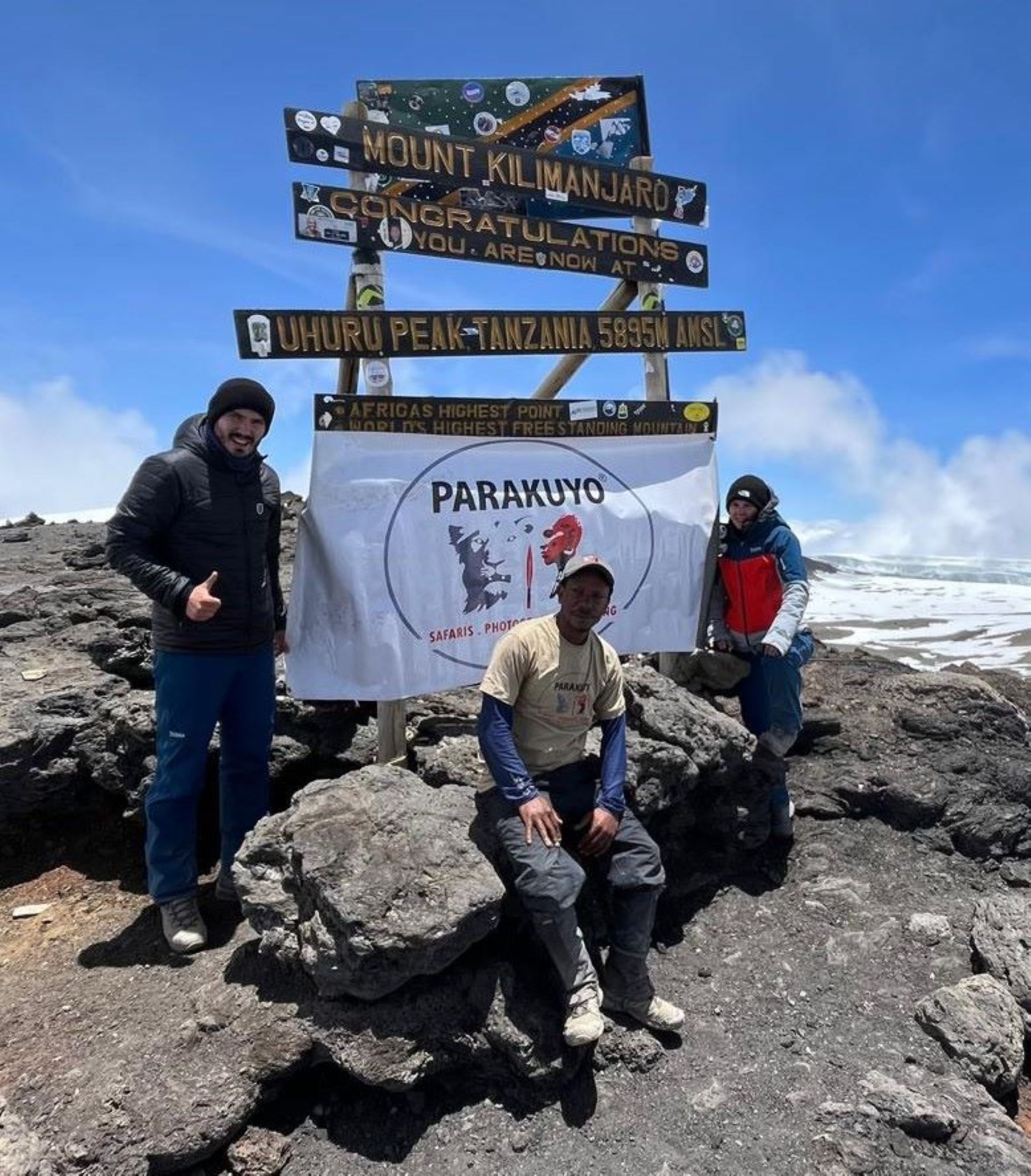
Day 8: Mweka Camp (3,100 m | 10,170 ft) — Mweka Gate (1,640 m | 5,380 ft) — Hotel
- Hiking Time: 3–4 hours
- Distance: 10 km | 6 miles
- Habitat: Rainforest
Descend through lush forest to Mweka Gate.
Receive your summit certificate and meet your driver.
Transfer to your lodge for a hot shower and post-climb overnight.
Transfer Day — Hotel — Airport
After breakfast / Lunch transfer to Kilimanjaro Airport for departure,
or continue with a Northern Tanzania Safari or Zanzibar Beach Escape.
Best Time to Climb
January – March (clear skies)
June – October (dry season, most popular)
Why This Route Stands Out
The Lemosho Route offers one of Kilimanjaro’s most complete and immersive climbing experiences. Starting on the quieter western side of the mountain, it allows for a more gradual ascent and extended acclimatization—key factors for a comfortable and successful summit. The route crosses vast plateaus, remote valleys, and dramatic ridgelines before joining the southern circuit. With fewer crowds at the beginning and a longer pace overall, Lemosho feels more expansive, more personal, and deeply connected to the rhythm of the mountain.
Who This Route Is Best For
Perfect for trekkers who prefer a slower pace, more time on the mountain, and the highest possible summit success rate. Lemosho is especially suited for those seeking a more private-feeling climb, photographers, and anyone wanting to experience Kilimanjaro in a more gradual and immersive way.
Trek Assurance:
Your climb is supported by a professional mountain team, ethical porter treatment, emergency oxygen for safety, and 24/7 communication with base—ensuring you are well cared for at every stage of the ascent and descend.
Take the First Step to the Summit
Climbing Kilimanjaro is not just about reaching the top—it’s about how you get there.
With the right team, the right pace, and the right preparation, the climb becomes steady, safe, and deeply rewarding.
Let’s plan your climb the right way - from day one.